

Cover image
And then there’s the power of celebration. Recognizing wins—hitting a major milestone during a Program Increment or simply overcoming a challenging sprint—plays a huge role in keeping morale high https://voltage.bet/. Celebrations create a positive, supportive atmosphere and reinforce the behaviors that drive success. When employees see their hard work acknowledged, they feel valued and motivated to keep pushing forward.
An ART creates alignment by establishing a clear, shared vision and regular touchpoints for communication. Through events like PI Planning, daily stand-ups, and system demos, all teams stay in sync about their objectives and progress. This frequent coordination ensures that every team member understands how their work fits into the overall strategy, reducing confusion and fostering a culture of collaboration and mutual support.
As a product manager, it is your responsibility to not only to set the long-term strategy and vision for the team, but to also correlate that to the work the team is going to be undertaking as part of the ART team. In essence, it’s to prioritize and ensure that the team is working on the most valuable thing during the two-week sprint cycle that brings a valuable outcome for your customers and the company as a whole.
Classic artwork
Bruegel’s fanfare for the common man is considered one of the defining works of Western art. This composition was one of six created on the theme of the seasons. The time is probably early September. A group of peasants on the left cut and bundle ripened wheat, while the on the right, another group takes their midday meal. One figure is sacked out under a tree with his pants unbuttoned. This attention to detail continues throughout the painting as a procession of ever-granular observations receding into space. It was extraordinary for a time when landscapes served mostly as backdrops for religious paintings.
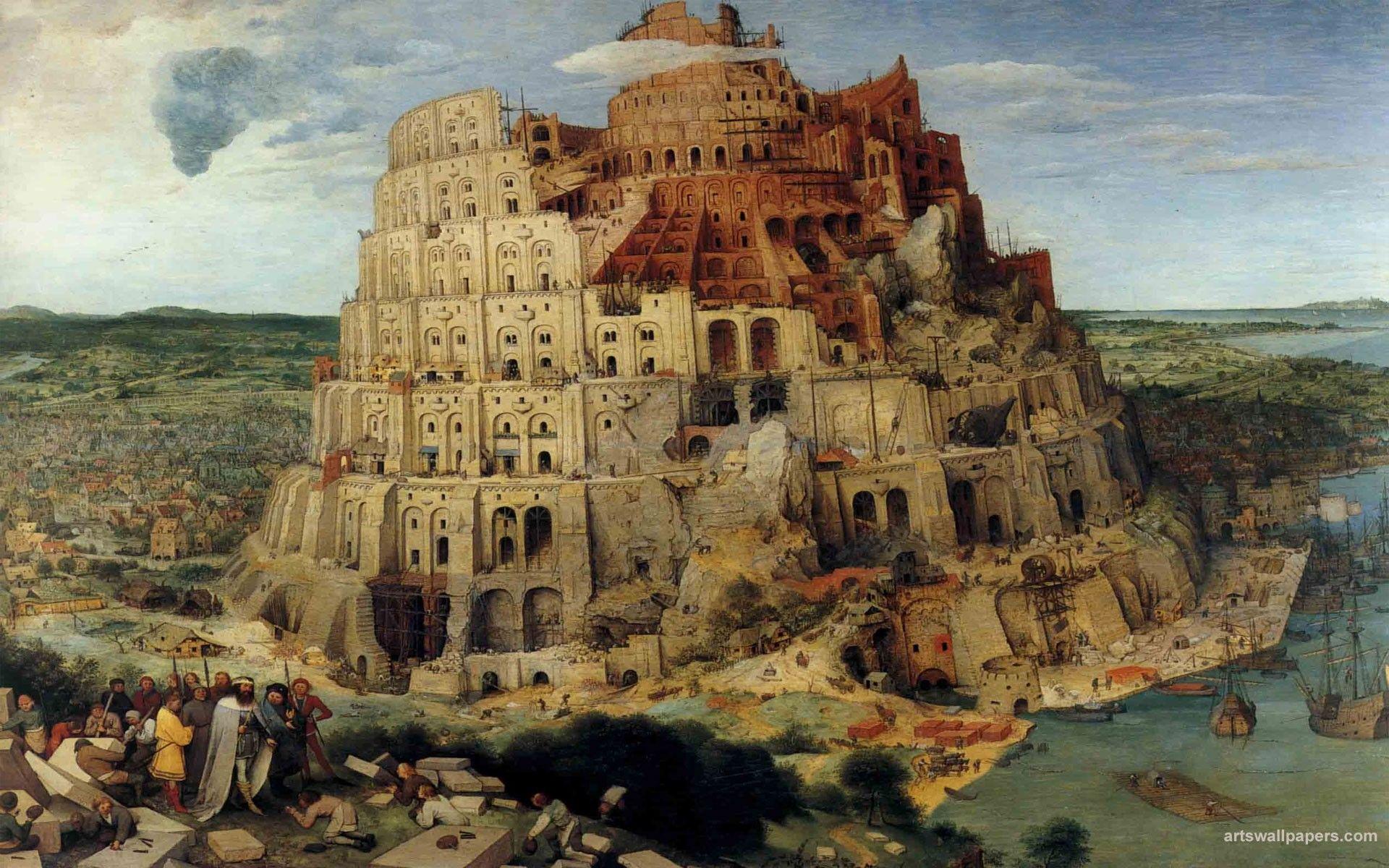
Bruegel’s fanfare for the common man is considered one of the defining works of Western art. This composition was one of six created on the theme of the seasons. The time is probably early September. A group of peasants on the left cut and bundle ripened wheat, while the on the right, another group takes their midday meal. One figure is sacked out under a tree with his pants unbuttoned. This attention to detail continues throughout the painting as a procession of ever-granular observations receding into space. It was extraordinary for a time when landscapes served mostly as backdrops for religious paintings.
Think about the giants of art history: Michelangelo, Leonardo da Vinci, Rembrandt, Vincent van Gogh, Claude Monet, and movements like the Renaissance, Impressionism, Cubism, and Abstract. These names and terms form a sort of popular vocabulary in the art world. But what sets them on a pedestal in our collective consciousness? What makes these artists and movements endure, demanding our attention and study over the years? The main question is: What exactly catapults an artwork into the realm of fame?
X-rays reveal revisions as Velázquez played with angles and positioning to draw attention towards the young Infanta while hinting at her parents’ presence through the mirror and opening on the back wall. It remains an enduring emblem of Spain’s cultural apex under the Hapsburgs and a tour-de-force snapshot of 17th-century courtly splendor captured mid-motion.
From Botticelli to Picasso, some artworks transcend changing tastes and political upheavals to imprint into humanity’s visual memories. These images often courted controversy initially before maturing into commonplace. Their emotional resonance and aesthetic innovation compel us to look backward even as arts evolve unpredictably onwards.
When purchasing art reproductions online, it’s crucial to be vigilant, as some businesses may falsely advertise reproductions as museum quality. Here at BrushWiz, we exclusively produce authentic museum-quality works of art, and our extensive gallery offers a preview of our prior creations, all meticulously handmade. Our team of talented artists adheres consistently to the techniques, brushstrokes, and textures found in the originals when creating a work of art.
Retro graphic
The 1980s also had a number of huge box office smash hits in the Sci-Fi genre – such as E.T., Back to The Future, and Blade Runner – which was reflected in design via gradients, chunky text effects, and cosmic 80s fonts. We’re seeing this sci-fi style reemerge in the present day with a nostalgic nod to the decade, as seen in this AKQA Illustration by Romain Billaud.
A decade defined by bright colors, fluid patterns and LSD-inspired psychedelia, the 1960s were a massive turning point for graphic design. Moving away from the pin-up style, earth tones and intermittent splashes of color that dominated design in the 1950s, the 60s saw designers dipping their artistic wands into more creative, experimental styles.
About the authorThis is the quest article by Ayesha Ambreen, a Creative Content Strategist, Top Author on Quora, Featured SlideShare Author, and Graphic Designer. Best known for her creative visuals and viral content ideas, Ayesha’s work has been featured on blogs such as Entrepreneur.com, LifeHacker, CreativeBloq, Hubspot and more. She holds a degree in telecommunication engineering with extensive experience in writing, outreach, strategic visuals, and search engine marketing.
When using lines as separate elements in your design, you can incorporate them both parallel to the basic shapes within your logo, and perpendicular to the shapes (cutting across them) to help text and other elements stand out.
Cinematic artwork
Would you like to discover more scenes inspired by famous paintings? Filmmaker Vugar Efendi has compiled a series of videos (Film meets Art) featuring a variety of homages and settings drawn from art masterpieces!
Interestingly, the tableaux vivants are accompanied by luxurious soundtracks and no dialogue, thereby separating and creating a disjunction between the people outside and their dialogues. The world of art is then contrasted with the world of labor, where, despite having ideals, one has to face the real.
The ochre tones of the room they are in, their passionate gestures, the floral and elaborate dress worn by Dolores, all evoke the attire of Emilie Flöge, the painter’s companion at the time. Whether it’s in the painting or on the big screen, you can easily feel the firmness and passion through this embrace that exudes a sense of distress on Martin Scorsese’s part.
Woody Allen’s Midnight in Paris provides a much more obvious example. The entirety of the movie revolves around art, its masters and influence across time. Faced with characters such as Pablo Picasso and Salvador Dali, it is no surprise when we see their works appear on the screen.
By utilizing these resources, you can deepen your understanding of how cinematic techniques enrich painting and appreciate the innovative works that emerge from this interdisciplinary approach. The ongoing dialogue between film and painting continues to inspire and challenge artists, pushing the boundaries of what visual art can achieve.